I heard a definition of the purpose of life that sounded brilliant. Then I sat down to write about it… and I realised I hated it.
“The purpose of life is to do your best, with the skills you have been given, every day, to make the world a better place for future generations.”
Do Your Best
What does that even mean? ‘Best’ is a superlative, meaning of the highest quality or degree: good → better → best.
If I’m honest, everything I do could be better. But that doesn’t mean it will be. Time runs out, life gets in the way and most days are less “flying high” and more “getting things done before I lose interest.”
For example, being with friends and family- I could listen more, be more present, spend less time hypnotised by the glowing slab in my hand.
I’m not saying what I’m doing is bad, but is it my best, or just what got done today? That version of “best” only seems to show up when focus, timing and mood all align… which isn’t most days.
And then this idea gets slippery, because what is “my best”?
Is it:
the absolute best I’m capable of in theory
or
the best I can do today, with the energy, time and headspace I actually have?
Those are not the same thing.
Take the arm balance of a crow pose. I know how it is done, but my version is either I faceplant or my bum plonks down. In my head, I’ve decided my bum is too heavy and it tips me forward or backwards like one of those wobbly playground animals on a spring. The truth is I just haven’t put the time into mastering the pose.
So which one counts as “my best”? The version I’m doing now? Or the version I could do if I applied myself? If both count, then “best” doesn’t guide anything. It just stretches to fit whatever I did that day.
Those are completely different standards. If both count, then “best” doesn’t guide anything, it just stretches to fit whatever I did that day.
For Future Generations (& A Chain Of Maybes)
Most of us struggle to make decisions that benefit our own future selves, let alone a whole generation. Take smoking, drinking, taking drugs or eating Pringles. We all know, on some level, that these things will most probably catch up with us. And yet… we still do them. We say “sod it, you only live once” and quietly reassure ourselves that “it won’t happen to me”.
If that’s how we treat our own future, something we will actually experience, then “future generations” feels a bit optimistic. We don’t ignore the future - we just don’t feel it strongly enough to change what we’re doing now.
If I really stretch this idea with my crow pose example, me managing to do a crow pose (with my counter-weighted bum) could inspire someone in my class. They might see that something once felt impossible becomes possible with patience and discipline.
And maybe they take that into another part of their life. And maybe that influences how they approach something else. And maybe that carries forward again.
It’s a chain of maybes. And the longer the chain, the weaker it gets.
Every Day
Living your best life every day? If I did that, I’d never hoover, pluck my eyebrows or sit on the sofa watching reruns of Friends. And those things matter too. Being “on” every single day, doing your best, contributing to humanity… that’s enough to send anyone into meltdown by Wednesday.
We don’t operate at a constant level. Effort comes in waves. We need off days, low-effort days and scrappy days. Without that, there’s no recovery. If every day is your “best”, it stops meaning anything. It just becomes one long, slightly exhausting blur.
Skills You’ve Been Given
It sounds straightforward “use the skills you’ve been given”, but what counts as a skill? Is it something you’re naturally good at, something you’ve practised or something you haven’t even discovered yet?
Even when you do know, it doesn’t solve much. You might be very good at something and not enjoy it. You might enjoy something you’re not especially good at. Or you might be good at something that isn’t useful in the situation you’re in.
Having a skill doesn’t tell you what to do with it. Real life rarely asks for your skills in the neat, obvious way.
So What Is The Point Of Life Then?
Because if it’s not “your absolute best, every day for some distant future” then what is it?
Maybe it’s smaller than that and less heroic. Just doing what is needed in the moment you’re in, with a bit of awareness. Not defaulting to habit, but actually noticing what’s happening
Yoga helps with that. Yoga doesn’t ask you for your best pose, your deepest stretch, or your most impressive version. It asks you to be in the pose you’re in, as you are, with some awareness of what’s happening.
It doesn’t ask you to push for more just because you can, or to hold back just because you think you should. It asks you to notice what’s actually there, and respond to that. Some days that might be more effort, other days it might be restraint. And some days it might be getting out of the pose altogether. Not your best, just what’s appropriate for that moment.
I started this trying to define the purpose of life. I ended up arguing my way out of it. I didn’t come out of it with an answer, just a shift in how I look at it (which is probably more useful anyway)
And if you’d prefer something more definitive… there’s always 42.
* 42 is the “Answer to the Ultimate Question of Life, the Universe, and Everything” from The Hitchhiker’s Guide to the Galaxy.
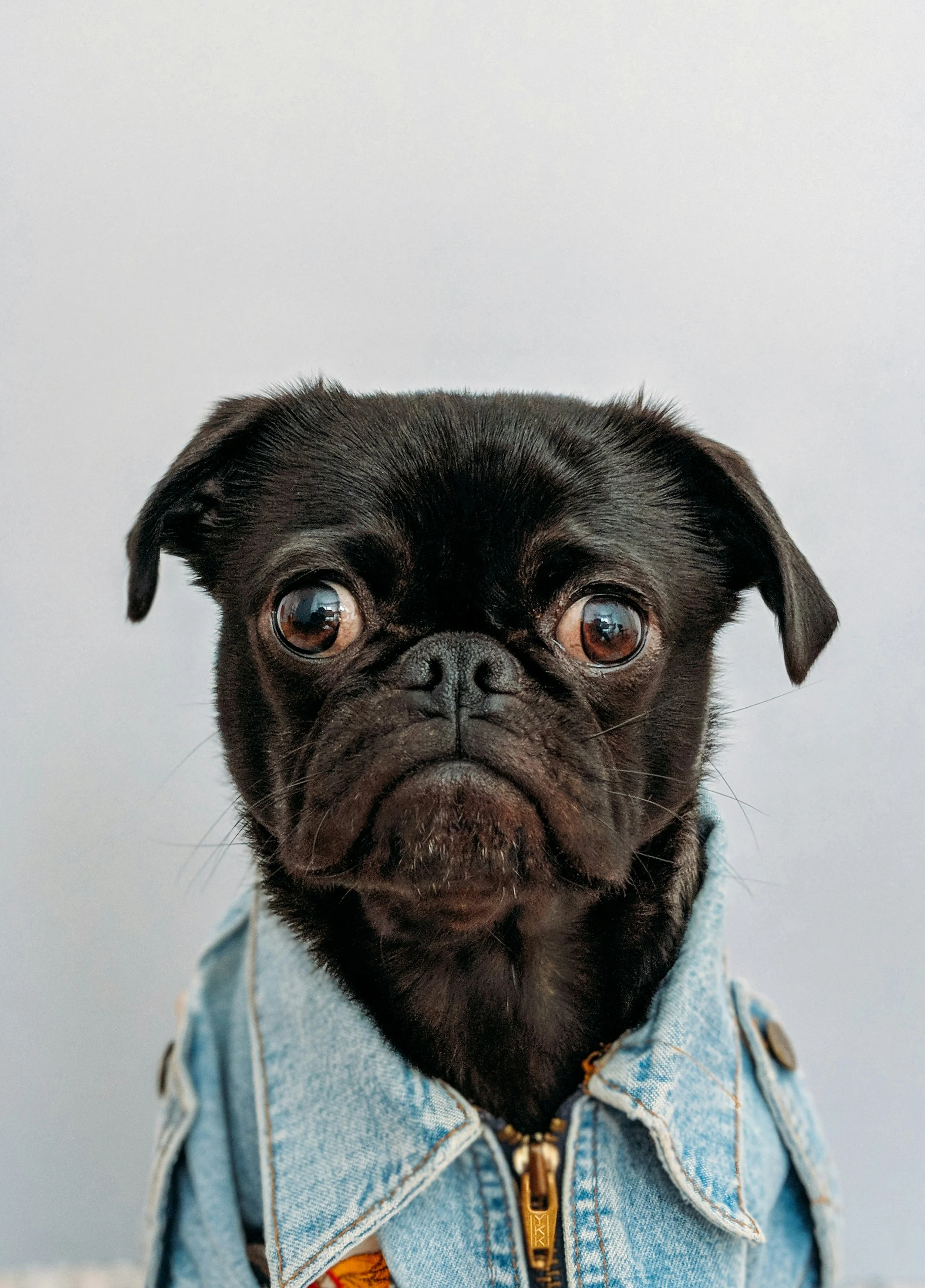
Photo by charlesdeluvio on Unsplash
